Medically reviewed by Austin Ulrich, PharmD
For many years, tretinoin cream has been a treatment considered for healthier, clearer, and more youthful-looking skin. Whether you’re struggling with persistent acne, noticing the first signs of aging, or dealing with sun damage, this topical medication often comes up in skincare conversations.
But what exactly is tretinoin, how does it work, and what should you know about its cost, especially if you’re looking for ways to save?
Key Takeaways:
- Tretinoin is a prescription retinoid that can improve skin concerns like acne, wrinkles, and dark spots.
- It’s available only with a prescription from a healthcare professional; possible side effects of tretinoin include skin dryness and sun sensitivity.
- Prescription discount programs like the Super+ RX coupon can help you save money on tretinoin and other prescriptions.
What is Tretinoin and How Does It Work?
Tretinoin is a topical retinoid, a medication class derived from vitamin A. Unlike milder, over-the-counter (OTC) retinol products, tretinoin is much stronger and requires a prescription from a healthcare professional. It works at a cellular level within your skin, making it effective for a range of skin concerns.
One of the ways tretinoin works is by accelerating skin cell turnover. This means it encourages your skin to shed old, dead cells more quickly and replace them with new, healthier cells. This process helps to unclog pores, prevent new breakouts, and refine skin texture.
Beyond just exfoliation, tretinoin also helps preserve collagen within the skin, which is essential for skin elasticity and firmness. It can also reduce inflammation, which is beneficial for managing acne and improving overall skin tone.
Tretinoin comes in various dosages, such as tretinoin cream 0.025%, 0.05%, and 0.1%, and in different forms, including creams, gels, and lotions. The cream formulation may be recommended for those with drier or more sensitive skin, as it tends to be more moisturizing. Gels may be preferred for oily or acne-prone skin because they don’t tend to clog pores and absorb quickly.
Your healthcare professional will help determine the best dosage and formulation for your skin type and your concerns.
Tretinoin vs. Retinol
In addition to prescription tretinoin products, OTC retinol products are another type ofvitamin A-based skincare treatment. Both are relatively popular, but they differ in a few ways that can impact your results—and your wallet.
Tretinoin cream is a prescription medication that’s FDA approved to treat acne and visible signs of aging. It’s more potent than OTC retinol products and is already in its active form.
Once applied to your skin, tretinoin gets to work right away, increasing cell turnover, unclogging pores, fading dark spots, and stimulating collagen. Based on studies, tretinoin is likely more effective than retinol, but tretinoin also tends to cause more intense side effects, including skin dryness, peeling, and sun sensitivity. A healthcare professional’s guidance is required for safe use of tretinoin.
Retinol, a form of vitamin A, is widely available without a prescription. After you apply it, your skin has to convert retinol into retinoic acid before it can take action. This extra step can make retinol less potent—meaning it’s often gentler with fewer side effects, but results may be slower and less dramatic. Retinol may be a good option for those with more sensitive skin.
In summary: Tretinoin may be preferred for more stubborn skin concerns and faster, more noticeable results, but requires a prescription and management of potential side effects. Retinol offers a milder, accessible option that may take more time and consistency to deliver changes.
The Many Benefits of Tretinoin for Your Skin
The helpful effects of tretinoin are why it’s a staple in skincare routines recommended by healthcare professionals. Its ability to work deep within the skin offers a comprehensive approach to improving skin health and appearance.
Tackling Acne and Improving Skin Texture
For individuals struggling with acne, tretinoin is an effective treatment. By boosting cell turnover, it helps prevent the buildup of dead skin cells and oil that can clog pores, leading to blackheads, whiteheads, and inflamed pimples. It also has anti-inflammatory properties that can reduce the redness and swelling associated with acne breakouts.
Over time, regular use of tretinoin can reduce the frequency and severity of acne, leading to clearer skin. It may be combined with other treatments for acne, including other topical medications or oral medications, depending on the severity.
Reducing Signs of Aging
Beyond acne, tretinoin is perhaps most known for its potential anti-aging benefits. As we age, our skin’s natural collagen production slows down, leading to the formation of fine lines and wrinkles. Tretinoin stimulates the production of new collagen and preserves existing collagen, helping to reduce the depth of existing wrinkles, as well as prevent new ones from forming.
Tretinoin may also be used off-label help with various forms of hyperpigmentation, such as dark spots caused by sun damage, age spots, and melasma. By encouraging the shedding of pigmented skin cells and promoting the growth of new, unpigmented cells, tretinoin helps to even out skin tone. Its consistent use may improve skin elasticity and firmness and combat visible signs of aging.
Important Considerations When Using Tretinoin
Despite its potential benefits, tretinoin requires careful use and an understanding of its potential side effects. Being prepared for what to expect can help you navigate your treatment journey successfully.
Starting Tretinoin: What to Expect
When you first begin using tretinoin, it’s common to experience what some call the “purging” phase. This can involve an initial increase in breakouts as the medication brings underlying clogged pores to the surface. Alongside this, you may notice side effects such as redness, dryness, flaking, and mild irritation.
This is normal and often indicates that the medication is working. To minimize these initial effects, you may starting with a lower dosage, such as tretinoin cream 0.025%, and use it less frequently, perhaps every other night, gradually increasing how often you apply as your skin adjusts. Your healthcare professional will help determine a plan for how to increase how often you apply it.
When applying, follow the directions provided by your healthcare professional. It’s often advised to apply tretinoin to completely dry skin, typically 20-30 minutes after cleansing, to reduce irritation and enhance absorption.
Protecting Your Skin
One of the most critical aspects of using tretinoin is ensuring you have adequate sun protection. Tretinoin makes your skin more sensitive to the sun’s UV rays, increasing your risk of sunburn and sun damage. Daily use of a broad-spectrum sunscreen with an SPF of 30 or higher, or wearing protective clothing, is important, even on cloudy days.
Furthermore, managing dryness is crucial. Tretinoin can be quite drying to the skin, so incorporating a rich, non-comedogenic moisturizer into your routine, applied both before and after tretinoin (sometimes called the “sandwich method”), can provide hydration and comfort.
It’s also a good idea to temporarily avoid or carefully introduce other potentially irritating topical products, such as those containing benzoyl peroxide, salicylic acid, or astringents, unless specifically advised by your healthcare professional, as combining them can worsen skin irritation.
If you are pregnant, breastfeeding, or planning to become pregnant, it’s essential to discuss this with your healthcare professional before using tretinoin.
Frequently Asked Questions About Tretinoin
Is tretinoin 0.05 prescription only?
Yes, all concentrations and forms of tretinoin, including 0.05%, are prescription-only medications.
What qualifies you for tretinoin?
A consultation with a healthcare professional is needed, since tretinoin is only available with a prescription. They will assess your skin concerns, such as acne, fine lines, wrinkles, dark spots, or sun damage, and determine if tretinoin is an appropriate treatment for you.
Why do I have to wait 30 minutes to apply tretinoin?
Applying tretinoin to completely dry skin helps to minimize potential irritation and allows for better absorption of the medication. Waiting 20-30 minutes after cleansing ensures your skin is adequately dry.
Can Retin-A 0.05 reduce wrinkles?
Yes, Retin-A (a brand name for tretinoin) 0.05% is can help with reducing the appearance of fine lines and wrinkles by stimulating collagen production.
What does retinol do for skin?
Retinol is an OTC derivative of vitamin A that offers similar benefits to tretinoin, such as boosting cell turnover and promoting collagen. However, it is milder and less potent than prescription tretinoin.
What are the downsides of retinol?
While milder than tretinoin, retinol can still cause initial irritation, dryness, and sun sensitivity. Its effects are also less pronounced and may take longer to see compared to tretinoin.
Is it good to use retinol every day?
Yes, if your skin tolerates it, using retinol every day can be beneficial once your skin has adjusted. Similarly, many people can eventually use tretinoin every night, after working up to this in collaboration with a healthcare professional.
At what age should I use retinol?
Some skincare professionals may suggest starting retinol in your early 20s for preventive anti-aging benefits. If your child is considering using retinol, it’s best to check with a healthcare professional first.
What does tretinoin do to the skin?
Tretinoin increases skin cell turnover, unclogs pores, reduces inflammation, stimulates collagen production, and helps to fade hyperpigmentation, leading to clearer skin.
Why is tretinoin being banned?
There is currently no evidence or official information suggesting that tretinoin is being banned. It remains a widely used and prescribed medication globally.
What is the downside of tretinoin?
The main downsides include potential side effects including initial skin irritation (redness, dryness, peeling) and increased sun sensitivity. Additionally you need a prescription for tretinoin.
Which is better, retinol or tretinoin?
Tretinoin is significantly stronger and more effective than retinol for treating acne, wrinkles, and dark spots. However, it requires a prescription and careful management of side effects, whereas retinol is available OTC and is a milder option.
What does the tretinoin cream do?
Tretinoin cream treats acne by unclogging pores and reducing inflammation, and it can address signs of aging by stimulating collagen and fading dark spots, improving overall skin texture and tone.
Can I buy tretinoin cream over the counter?
No, tretinoin cream is a prescription-only medication and cannot be bought OTC. Retinol is a similar topical product that is available OTC.
What is tretinoin 0.025 cream used for?
Tretinoin 0.025% cream is commonly used to treat acne, fine lines, wrinkles, and dark spots. It is often the starting dosage recommended for new users due to its milder nature compared to higher dosages.
Can I use tretinoin 0.025 every night?
Eventually, yes. Many people can build up to using tretinoin 0.025% every night once their skin has fully adjusted and tolerates the medication without excessive irritation. Always follow your healthcare professional’s advice.
Is 0.025 tretinoin stronger than retinol?
Yes, even the lowest concentration of tretinoin (0.025%) is considered more potent than most OTC retinol products.
Can tretinoin make your lips swell?
While rare, accidental application of tretinoin directly to the lips or a severe allergic reaction could potentially cause swelling. More commonly, tretinoin can cause dryness, chapping, or irritation around the mouth area.
Understanding Tretinoin Costs and How to Save
The cost of tretinoin can vary widely, typically ranging from $50 to over $200 for a single tube without insurance. Several factors influence this price, including the specific concentration (e.g., 0.025% vs. 0.1%), whether you opt for a generic version or a brand-name product (like Retin-A or Avita), the size of the tube, and even the pharmacy you choose.
Here are several practical ways you can save money if you need a prescription for tretinoin — whether you have insurance or not:
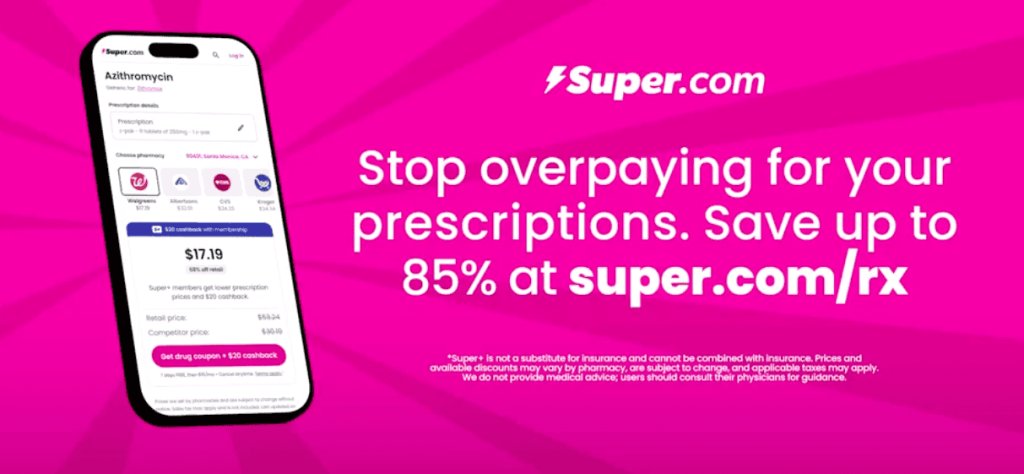
- Use a prescription discount card or coupon like Super+ RX: The Super+ RX coupon uncovers discounts to help lower out-of-pocket costs for tretinoin. Whether it’s tretinoin or another medication, we want to help you save—because your well-being comes first.
- Check multiple pharmacies — cash prices can vary. Pharmacies in the same area sometimes charge different prices for the same medication. Comparing cash prices among pharmacies can help you find the cheapest option. Search for your prescription on Super.com/rx, compare prices across pharmacies, and find discounts near you.
- Consider asking for the generic form, not the brand-name form. The generic version of tretinoin is often much cheaper than the brand-name version and works the same.
What you can do before you go to the pharmacy:
- Use a discount program like the Super+ RX coupon — print it or bring it on your phone — and ask the pharmacist or cashier to apply it to your prescription.
- Compare at least two or three pharmacies on Super.com/rx to see who offers the lowest price.
- If you are uninsured or if you have a high copay, ask your healthcare team about patient-assistance programs or reduced-cost clinics in your area.
We understand that managing chronic conditions often comes with concerns about the cost of medications. Whether you’re looking for tretinoin 0.025%, tretinoin 0.05%, or another dosage or a brand-name form, a few simple clicks can show you where to get your medication at a more affordable price.
Ready to save on tretinoin? Compare prices for tretinoin at pharmacies near you and start lowering your medication costs.
References
McEldrew EP, Lopez MJ, Milstein H. Vitamin A. StatPearls. February 19, 2025. Accessed December 18, 2025. https://www.ncbi.nlm.nih.gov/books/NBK482362/
Motamedi M, Chehade A, Sanghera R, Grewal P. A Clinician’s Guide to Topical Retinoids. J Cutan Med Surg. 2022;26(1):71-78. doi:10.1177/12034754211035091
Spierings NMK. Evidence for the Efficacy of Over-the-counter Vitamin A Cosmetic Products in the Improvement of Facial Skin Aging: A Systematic Review. J Clin Aesthet Dermatol. 2021;14(9):33-40.
Tretinoin Cream USP, 0.025%. Prescribing information. Alembic Pharmaceuticals Limited, 2025. Accessed December 18, 2025. https://nctr-crs.fda.gov/fdalabel/services/spl/set-ids/4e96fb71-14f4-4789-91af-ba94b0879162/spl-doc
Yoham AL, Casadesus D. Tretinoin. StatPearls. March 27, 2023. Accessed December 18, 2025. https://www.ncbi.nlm.nih.gov/books/NBK557478/
Disclaimer:
Generative AI was used in the development of this content. All information in this article has been reviewed by our highly-trained clinicians. We do not provide medical advice. Please, consult a physician.