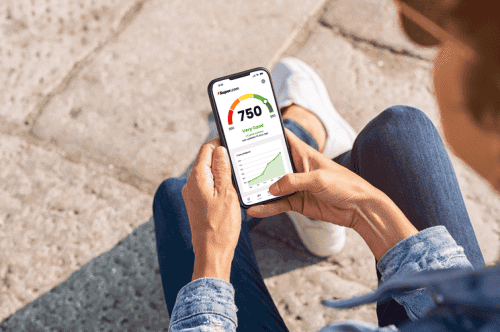
We know you work incredibly hard for your money, and every single dollar matters. Sometimes, it feels like the world conspires to make things harder, especially when you’re trying to save more, spend less, and build a brighter future. But what if we told you there’s a simple, powerful tool that can help you take control of your financial journey, protect your hard-earned cash, and even unlock better opportunities? It’s true! We’re talking about your credit score and credit report.
- Think of checking your credit like getting a regular check-up for your finances.
- It might sound a little intimidating, or maybe even boring, but trust us, it’s one of the most empowering things you can do for yourself.
- It’s not just about getting approved for a loan someday; it’s about making sure your financial health is strong, catching sneaky problems before they become big headaches, and ultimately, keeping more money in your pocket.
- In this guide, we’re going to walk you through why this little habit can become your biggest financial superpower, and how easy and safe it really is. Let’s dive in!
Your Credit Score and Report: The Dynamic Duo
Before we dive into all the amazing benefits, let’s get cozy with what we’re actually talking about. Your credit score and credit report are like two sides of the same very important coin, and understanding both is key to mastering your financial game.
What Exactly Are They?
Imagine your credit score as a three-digit grade, usually ranging from 300 to 850, that gives lenders a quick snapshot of how well you’ve managed borrowed money in the past. It’s not a judgment on you as a person, but rather a numerical summary of your “creditworthiness”—how reliable you are at paying back debts. There are different scoring models, with FICO and VantageScore being the most common, but they all generally use the same underlying information to calculate your score. A higher score typically means you’re seen as a lower risk, which can open doors to better financial opportunities.
A credit report is the detailed story behind your three-digit credit score. Think of it as your financial resume, a comprehensive record of your credit activities over the past seven to ten years. This isn’t just one document; each of the three major credit bureaus—Experian, Equifax, and TransUnion—maintains its own version of your report.
A credit report contains personal information like your name, current and past addresses, and employer. More importantly, it lists all your credit accounts, including credit cards, auto loans, mortgages, and personal loans, showing when you opened them, your credit limit, and, crucially, your payment history. It also tracks any credit inquiries (when someone checks your credit) and public records like bankruptcies or collections. This report is the bedrock of your credit score, and understanding its contents is paramount.
Your credit score and reports aren’t just for banks; they directly impact your everyday life and future goals.
First and foremost, your credit score and report are pivotal when you’re looking to borrow money. Want to buy a car? A good credit score can mean a lower interest rate on your auto loan, saving you hundreds or even thousands of dollars over the life of the loan. Dreaming of owning a home? Your mortgage lender will scrutinize your credit report and score to determine if you qualify and what interest rate you’ll pay. A better score means less money leaving your pocket every month!
But it’s not just about big loans. Trying to get approved for a new credit card with better rewards or a higher credit limit? Your credit health plays a starring role. Even for things like renting an apartment, landlords often check credit reports to gauge your reliability. Sometimes, utility companies or even cell phone providers will check your credit before approving service or determining if you need to pay a deposit. Simply put, a strong credit profile can make your life easier and significantly more affordable, while poor credit can unfortunately cost you more at every turn. It’s all about empowering you to keep more of what you earn.
The Top Reasons to Become a Credit Checking Champion
So, now that you know what a credit score and report are, let’s get to the good stuff: why checking them regularly is one of the smartest financial moves you can make. It’s like having x-ray vision for your finances!
Catch Errors and Mistakes
- Believe it or not, credit reports are far from perfect. Human error happens, technology glitches, and sometimes, information just gets mixed up.
- According to the Consumer Financial Protection Bureau (CFPB), errors on credit reports are more common than you might think. We’re talking about everything from a misspelling of your name or an incorrect address to much more serious issues like accounts that aren’t yours, incorrect payment history (like a payment marked late when you paid on time), or even wrong account balances.
- These seemingly small errors can have a big, negative impact on your credit score.
- An incorrect late payment, for instance, can drag your score down by several points, making you appear riskier to lenders. This could lead to being denied for a loan, or worse, paying a higher interest rate, which means more of your hard-earned money going to interest instead of staying with you.
- Regularly reviewing your credit reports from all three credit bureaus (Experian, Equifax, and TransUnion) allows you to spot these discrepancies early and dispute them. By catching and correcting errors, you ensure your credit history accurately reflects your financial responsibility, protecting your score and your wallet.
Fight Identity Theft and Fraud
- This is a big one, and it’s unfortunately a growing concern for everyone. Identity theft can be a nightmare, and it can happen to anyone, regardless of income.
- Imagine someone opens new credit accounts in your name, makes unauthorized purchases, or even takes out a loan you know nothing about.
- Without regular monitoring, you might not even realize this has happened until your credit score plummets or you start getting calls from collection agencies for debts that aren’t yours.
- Checking your credit report is your frontline defense against this kind of sneaky stuff. When you review your report, you’re looking for any suspicious activity: credit cards you didn’t apply for, loans you didn’t take out, or addresses you’ve never lived at.
- Catching these red flags early can save you a mountain of stress, financial ruin, and countless hours trying to undo the damage.
- The sooner you spot fraud, the quicker you can report it to the credit bureaus and law enforcement, protecting your identity and your financial future. It’s like having a trusty guard dog for your personal information.
Unlock Better Deals and Save Money
We’ve touched on this, but it bears repeating: a good credit score literally saves you money. For our Super.com community, where every dollar counts, this is gold.
Let’s break it down:
- Lower Interest Rates: Whether it’s a car loan, a personal loan to consolidate debt, or eventually a mortgage, lenders offer their best interest rates to borrowers with excellent credit. A difference of even a few percentage points can mean saving thousands over the life of a loan. Imagine what you could do with that extra cash!
- Credit Card Approvals: Want a credit card that offers cashback rewards, travel perks, or just a lower interest rate? A strong credit score increases your chances of approval for these more attractive cards. This means you can earn money back on your everyday spending or pay less in interest if you carry a balance (though we always encourage paying in full!).
- Reduced Deposits: Some utility companies, internet providers, or even landlords might waive security deposits if you have a good credit history, freeing up cash that can stay in your bank account.
- Insurance Premiums: In many states, insurance companies (for car or home insurance) use credit-based insurance scores to help determine your premiums. A better score could mean lower monthly insurance payments!
By regularly checking and understanding your credit, you empower yourself to improve it, which in turn unlocks these money-saving opportunities. It’s like getting a VIP pass to the best financial deals.
Understand and Improve Your Financial Standing
Finally, checking your credit report isn’t just about problem-solving; it’s about gaining clarity and control. Your credit report isn’t just a list of numbers; it’s a diagnostic tool that shows you exactly what’s affecting your score, both positively and negatively.
By reviewing your credit report, you can identify patterns. Are you consistently making late payments? Is your credit utilization (how much credit you’re using compared to your total available credit limit) too high? Are there too many recent credit inquiries because you’ve been applying for credit left and right? Knowing these answers helps you pinpoint specific areas where you can make improvements.
This isn’t about judgment; it’s about empowerment. Once you know what’s going on, you’re in the driver’s seat. You can create a plan to pay down high balances, set up automatic payments to avoid late fees, or focus on paying existing debts before opening new accounts. Understanding your credit history gives you the knowledge and confidence to build a stronger financial foundation, step by step. It’s your personal roadmap to financial growth.
Demystifying the “How-To”: Checking Your Credit Without the Stress
Alright, so we’ve established why checking your credit is a total game-changer. Now, let’s tackle the “how” because we know some common worries pop up here. Good news: it’s likely much easier and safer than you think!
Will Checking My Credit Hurt My Score? Soft vs. Hard Inquiries
This is probably the most common question we hear, and it’s a really important one. The short answer is: checking your own credit score or report generally does NOT hurt your score. Phew!
Let’s clear up the confusion between “soft” and “hard” inquiries:
- Soft Inquiries (The Good Kind): When you check your own credit score or report, when a potential lender pre-screens you for a pre-approved offer, or when an employer runs a background check (with your permission), these are typically soft inquiries. They are like a casual peek at your credit file. Soft inquiries do not affect your credit score and aren’t visible to other lenders. So, go ahead and check your own credit as often as you like – it’s like looking in a mirror; it doesn’t change what’s on your face!
- Hard Inquiries (The “Use Sparingly” Kind): These occur when you apply for new credit, such as a credit card, a mortgage, an auto loan, or a personal loan. When a lender pulls your credit report because you’re actively seeking new credit, that’s a hard inquiry. These inquiries can temporarily cause a small dip (usually a few points) in your credit score for a short period (typically a few months). However, the impact is usually minor and fades quickly, especially if you’re approved and manage the new account responsibly. The key takeaway? Only apply for new credit when you genuinely need it, and try not to open too many new accounts in a short amount of time.
So, rest easy! You can be a Credit Checking Champion without fear of harming your score.
How to Get Your Free Credit Reports
By law, you are entitled to a free copy of your credit report from each of the three major credit bureaus—Experian, Equifax, and TransUnion—once every 12 months. And the only truly authorized website to get these is AnnualCreditReport.com. This is not a scam site; it’s mandated by federal law!
Here’s a smart strategy: instead of getting all three reports at once, consider staggering them throughout the year. For example, pull your Experian report in January, Equifax in May, and TransUnion in September. This way, you’ll have eyes on your credit file every few months, making it easier to spot errors or fraudulent activity sooner rather than later. It’s like having quarterly financial check-ups!
How to Check Your Credit Score
- Accessing your credit score is often even easier than getting your full credit report.
- Many banks and credit card companies now offer free credit score access to their customers as a perk.
- For example, if you have a credit card, check your online account portal – you might find your VantageScore or FICO score readily available.
- There are also many reputable personal finance apps and websites that provide free credit scores (again, usually VantageScore) as part of their service.
- These typically involve a soft inquiry, so they won’t hurt your score. These services are fantastic for getting a regular pulse check on your credit health and seeing how your actions (like making on-time payments) are impacting your score over time.
- If you want your official FICO score, you might need to subscribe to a service like myFICO, but for most people, the free scores are perfectly adequate for monitoring and understanding trends.
What to Look For When You Review Your Credit Report
Okay, you’ve got your reports. Now what? Don’t just glance at them! Put on your detective hat and look for these key things:
- Personal Information Accuracy: Is your name spelled correctly? Are all addresses accurate? Is your Social Security number correct? Errors here can be a sign of mixed files or identity theft.
- Accounts You Recognize: Are all listed credit accounts truly yours? Check credit cards, loans, and other lines of credit. If you see an account you don’t recognize, that’s a HUGE red flag for identity theft.
- Payment History: This is a big one. Are all your payments marked correctly as on-time? Even one incorrect late payment can significantly harm your score.
- Credit Limits and Balances: Make sure the reported credit limits and current balances are accurate for your open accounts. This impacts your credit utilization, a major factor in your score.
- Credit Inquiries: Are there any hard inquiries you don’t remember authorizing? Too many hard inquiries, especially if you haven’t been actively applying for credit, could indicate fraud.
- Public Records: Check for any bankruptcies, foreclosures, or tax liens that you know aren’t yours or that are incorrectly reported.
If you find anything inaccurate or suspicious, don’t panic! You have the right to dispute errors with the credit bureaus, and they are legally required to investigate your claims.
Super.com: Your Partner in Credit Building and Monitoring
At Super.com, we’re all about empowering you to spend less, save more, and build credit – so you can make the most of life. We genuinely care about your well-being, and we know that a strong credit foundation is key to unlocking many of those goals. That’s why we’re more than just a place for amazing deals; we’re your partner in building a brighter financial future.
The Super+ Advantage
This is where Super+ comes in as your trusty sidekick on your credit journey. We believe that understanding and monitoring your credit shouldn’t be complicated or scary. With Super+, you gain access to tools specifically designed to help you keep an eye on your credit health, giving you invaluable peace of mind.
Imagine having a clear view of your credit, right alongside all the incredible savings and cashback you’re already enjoying. Super+ helps you monitor your credit, making it easier to track your progress and understand what’s influencing your score. Our goal is to demystify the process, providing you with actionable insights in a way that’s easy to understand. You won’t find any confusing jargon here, just straightforward information to help you stay on top of any changes and identify areas for improvement.
With Super+, you’re not just getting a service; you’re gaining a partner who’s committed to helping you make smart financial moves. We integrate credit monitoring into your Super.com experience, so you can seamlessly manage your finances, spot potential issues, and actively work towards building the strong credit you deserve. It’s all part of our mission to empower you, giving you the tools to succeed and the confidence to move forward, knowing your financial health is in check. We make it easy to see where you stand, understand what’s affecting your score, and take steps to build a brighter financial future, all while saving you money on everyday essentials.
Ready to Take Control?
So there you have it. Checking your credit score and report regularly isn’t just a good idea; it’s a necessary, empowering habit that can save you money, protect you from fraud, and put you firmly in control of your financial destiny. It’s not about being perfect; it’s about being informed, proactive, and ready to tackle whatever comes your way.
Remember, you’re not alone on this journey. We’re here to support you every step of the way, helping you find those amazing deals, save money, and yes, build your credit. Start making credit monitoring a regular part of your financial routine, and watch as your financial power grows. With Super.com and Super+, you’ve got this. Let’s build your credit, together!